



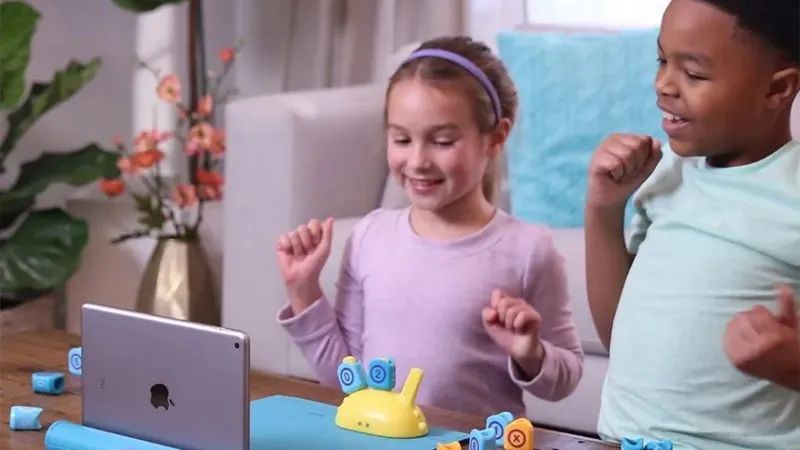
Helping children with math at home doesn’t have to mean worksheets, homework, and sighs at the kitchen table. In fact, many children learn best when math becomes a natural part of play, problem-solving, and curiosity.
The great thing about math games for children is that they often sneak learning in without the child even noticing. When numbers, shapes, and patterns become part of playtime, math feels less like a school subject and more like an adventure. For many children, the hands-on element is what helps the knowledge stick better.
How do you make math fun for children?
The easiest way to make math fun at home is to let children learn through play. Choose math games that suit the child’s age and level, use everyday situations to practice numbers and counting, and feel free to combine digital games with physical activities. When children get to see, feel, and try things for themselves, math often becomes both easier and more enjoyable.
Why play works better than nagging
Many adults remember math as something they sat and worked through in a book. But current research shows that children often build number sense better through playful activities where they can experiment and discover patterns on their own.
When a child moves tiles, counts objects, or solves small problems in a game, several parts of the brain are active at the same time. That leads to deeper understanding than simply memorizing answers. That’s why educational math games are often an effective complement to classroom teaching.
Which math game suits which age?
Every child develops differently, but there are some general guidelines that can be useful when choosing math games for children.
|
Age |
Focus area |
Examples of games |
|---|---|---|
|
4-5 years |
Numbers, shapes, and sorting |
Matching games, building blocks, and simple counting games |
|
6-7 years |
Addition and subtraction |
Dice games, number card games, and basic math games |
|
8-9 years |
Problem-solving and logical thinking |
Strategy games, puzzles, and math challenges |
|
10 years+ |
Multiplication, division, and reasoning |
Advanced math games, STEM activities, and logic games |
For a 6-year-old who loves math, simple games where children count points, move markers, or build patterns can be much more motivating than traditional workbooks.
Count with children in everyday life
Not all math games actually need to come in a box or exist in an app. Everyday life is full of opportunities to practice math without it feeling like teaching.
Ask your child to count apples at the grocery store, compare prices, measure ingredients when you bake, or figure out how many minutes are left until dinner is ready. Small situations like these help children understand how math is used in real life. When math has a clear connection to everyday life, it often becomes easier to understand and less abstract. It also helps children see more easily why math is actually useful.
Tactile math games can make a big difference
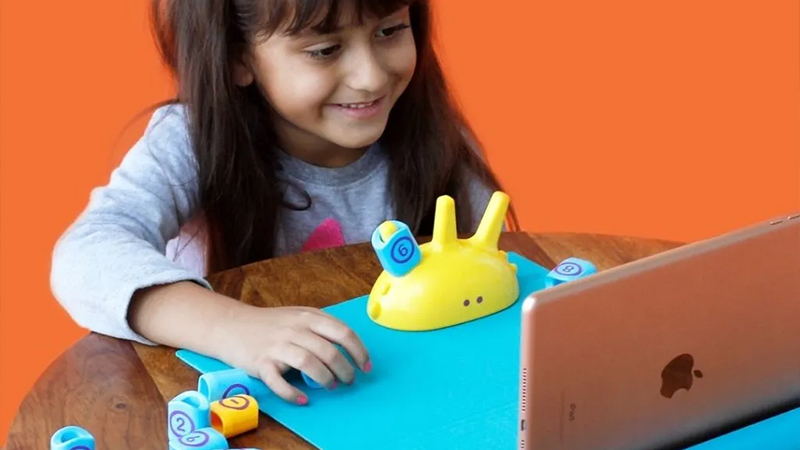
Many children learn best when they get to use their hands. That’s why tactile math games have become increasingly popular in recent years.
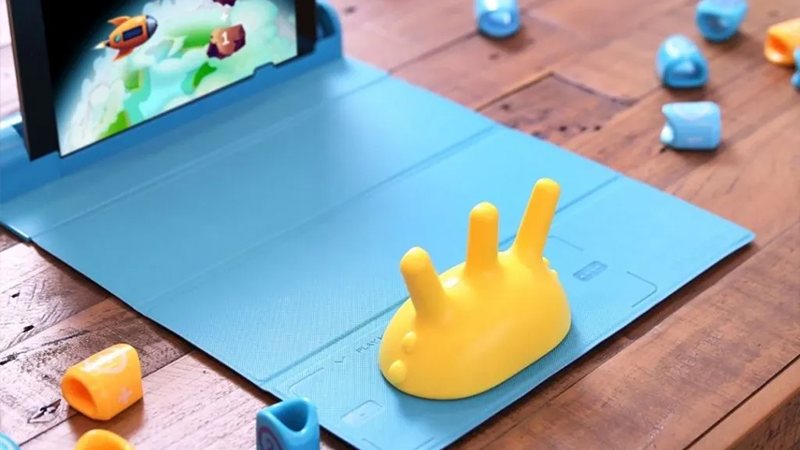
One example is Plugo Count from PlayShifu, where children count with physical number tiles in front of a tablet. The camera recognizes the tiles, and the game responds immediately to the child’s answer. The combination of hands-on play and digital feedback means the child is actively involved instead of just tapping on a screen. For many children, it’s a more enjoyable way to learn math because several senses are used at once. It can also be a good option for children who find it hard to sit still with traditional math exercises.
Are AR math games the future?
Augmented Reality, or AR, is starting to appear in more and more educational products for children. The technology allows digital figures and tasks to interact with real objects on the table in front of the child.
That doesn’t mean the technology itself is the most important part. What makes a difference is when AR is used to create more interactivity and engagement. Children get the chance to try things, experiment, and see the result immediately, which often increases motivation. That’s why AR-based math games have become popular with both parents and educators who want to make math feel more alive.
How to choose the right math game for your child
The most important thing is not finding the most advanced game. The most important thing is finding something that feels challenging enough while still being fun.
Think about what your child needs to practice right now. Is it basic number sense, simple addition, or problem-solving? Then choose a game that matches that level. If the game is too difficult, your child may lose motivation. If it’s too easy, it quickly becomes boring. The goal is for your child to want to play again. When that happens, learning comes almost as a bonus.
FAQ
What is the best math game for children?
The best math game is the one that matches the child’s age and skill level. Games that combine play, problem-solving, and physical interaction usually work especially well.
### How do I teach my child math at home?
Use everyday situations, games, and hands-on activities. Counting together in natural contexts is often more effective than just doing worksheets.
Are tablet math games good for children?
Yes, especially if they encourage active participation and problem-solving. The combination of digital content and physical elements can be particularly effective.
What is number sense?
Number sense is about understanding how numbers work and relate to each other. It is the foundation for almost all future math.
At what age can children start with math games?
Many children can start with simple math games as early as age 4 by practicing shapes, patterns, sorting, and basic counting.