



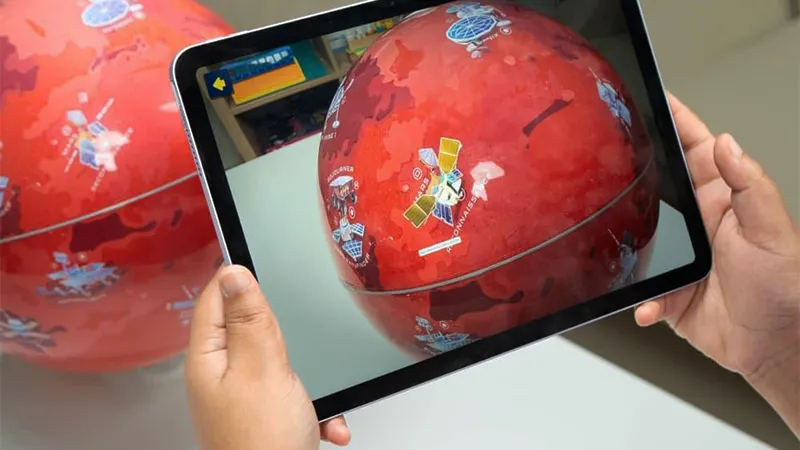
Space has always sparked curiosity in both children and adults. How far away is Mars? Could we live there someday? And how do scientists manage to drive small robotic vehicles on a planet millions of kilometres from Earth? These are questions that can lead to many exciting conversations at home.
With PlayShifu Orboot Planet Mars, children aged seven and up can explore the red planet in an interactive way. The physical globe is paired with an app that uses augmented reality, AR, to show spacecraft, discoveries and missions. Here are five ways to spark children’s interest in space while helping them learn something new.
1. Start by exploring the red planet
Mars is one of our closest planetary neighbours and has long fascinated scientists. The planet is much smaller than Earth and has a cold, dry climate. Its red colour comes from iron oxide, much like rust, found in the ground.
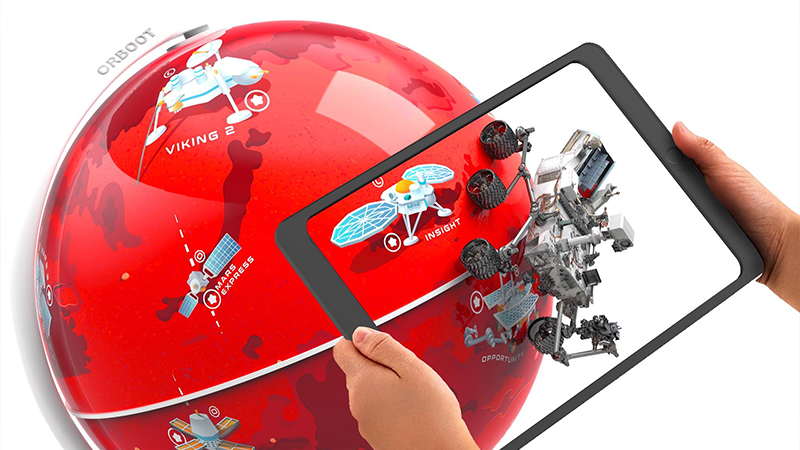
It’s a good idea to start by looking at pictures of Mars and talking about how the planet differs from Earth. With Orboot Planet Mars, a child can then point a compatible tablet or phone at the globe and discover more through the app’s interactive content. That way, a distant planet becomes something you can explore together.
2. Get to know the robots exploring Mars
No human has yet set foot on Mars, but several robotic vehicles have already explored the planet’s surface. They are called rovers and help scientists study rocks, soil and signs of past water, among other things.
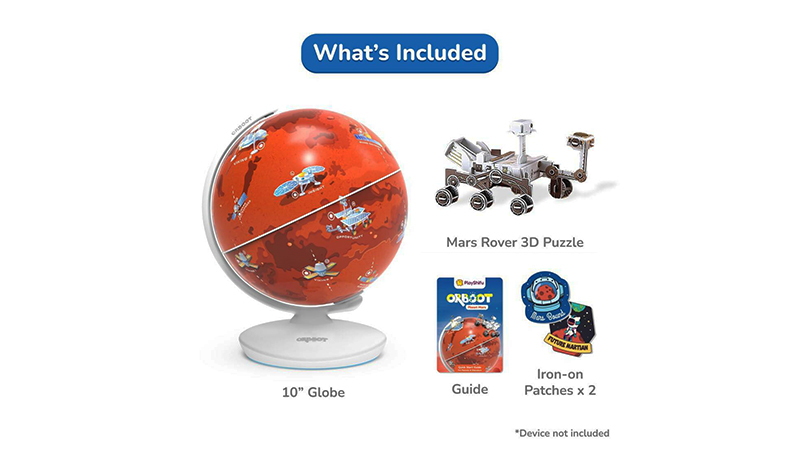
In the Orboot Mars app, children can explore different space missions and see 3D models of rovers, landers and orbiters. That makes it easier to understand how research works. The box also includes a 3D puzzle with a Mars rover, giving children something else to build and explore.
3. Compare Mars with our own planet
A fun way to learn more about space is to compare what we know with what feels unfamiliar. On Earth, there is liquid water on the surface, a relatively dense atmosphere and temperatures that make life possible. On Mars, conditions look very different.
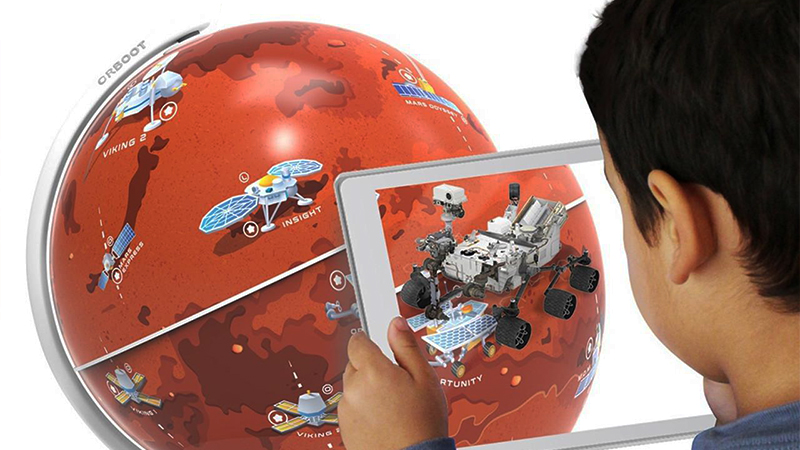
Ask your child to think about what a person would need to bring in order to stay on Mars. Oxygen, water, food and protection from the cold are good starting points. Orboot Planet Mars includes material on the similarities and differences between the planets, making it easier to continue the conversation with facts and new questions.
4. Make space exploration a family activity
You do not need a big project to enjoy a learning moment together. Set aside some time after dinner, bring out the globe and let your child choose which area or mission you should explore. Sometimes, one question is enough to spark interest in something completely new.
Orboot Mars combines visual content with stories and quizzes. The app supports eight languages, including Swedish, Norwegian and Danish. That makes it easy to explore the content in Swedish and let your child talk about their discoveries.
5. Keep exploring even without the screen
An interactive globe can be the start of a bigger interest. After some time with the app, you can try drawing your own space base, building a robot vehicle from blocks, or writing a list of things needed for a trip to Mars.
You can also go outside on a clear evening and try to find planets in the sky with the help of a star map. Mars is visible from Earth during certain periods, but it is not always easy to spot. By alternating between digital experiences and hands-on activities, your child gets several ways to explore the same topic.
FAQ
What age is Orboot Planet Mars suitable for?
The product is recommended for children aged seven and up.
Do you need a tablet to use the globe?
For the AR features, you need a compatible device with iOS or Android and the Orboot Mars app. It can be a tablet or a phone.
Is the app available in Swedish?
Yes, Orboot Mars supports eight languages, including Swedish, Norwegian and Danish.
What is included in the box?
A Mars globe, two iron-on patches, a guide for parents and teachers, and a 3D puzzle with a Mars rover.
Is Orboot Planet Mars the same product as Orboot Earth?
No. Orboot Planet Mars is about the red planet and space exploration, while Orboot Earth focuses on Earth, geography and different parts of our world.